
When we clean our homes, our goal is to create a fresh, safe, and healthy environment for our families. However, the very products we use to wipe our counters and mop our floors can actually increase the levels of chemicals in our indoor air.
Many conventional household cleaning and care products contain a complex mixture of chemicals, some of which are Endocrine Disrupting Chemicals (EDCs). These substances can interfere with our sensitive hormone systems and have been linked to long-term health issues, including allergies, reproductive problems, and respiratory distress.
Fortunately, maintaining a sparkling clean home does not require exposing your family to harsh chemicals. Protecting yourself is all about making informed, balanced choices. Here is a practical guide to choosing safer cleaning products and adopting toxin-free cleaning habits.
The Hidden Dangers in the Cupboard
Before you can choose safer products, it is important to know what to look out for. Cleaning agents for floors, carpets, furniture, and bathrooms frequently contain preservatives, perfumes and colourants, which can include hormone disruptors and other chemicals that can provoke respiratory and cutaneous reactions.
To minimise your exposure to EDCs and other hazardous substances, keep these tips in mind when shopping:
- Skip the Fragrances and Air Fresheners: A truly clean room should not smell of anything. Synthetic fragrances, scented candles, and air freshener sprays often contain undisclosed chemicals, including EDCs like, which can trigger allergies, headaches, and respiratory reactions.
- Ditch the Disinfectants: Unless you are in a hospital or caring for someone with a compromised immune system, strong disinfectants and antibacterial products are unnecessary for ordinary household cleanliness. They can irritate the skin and lungs, and their overuse contributes to the creation of dangerous antibiotic-resistant bacteria.
- Avoid Sprays When Possible: Cleaning sprays turn chemicals into tiny droplets that are easily inhaled deep into the lungs, irritating the respiratory system. Creams, liquids, or foams are generally safer options.
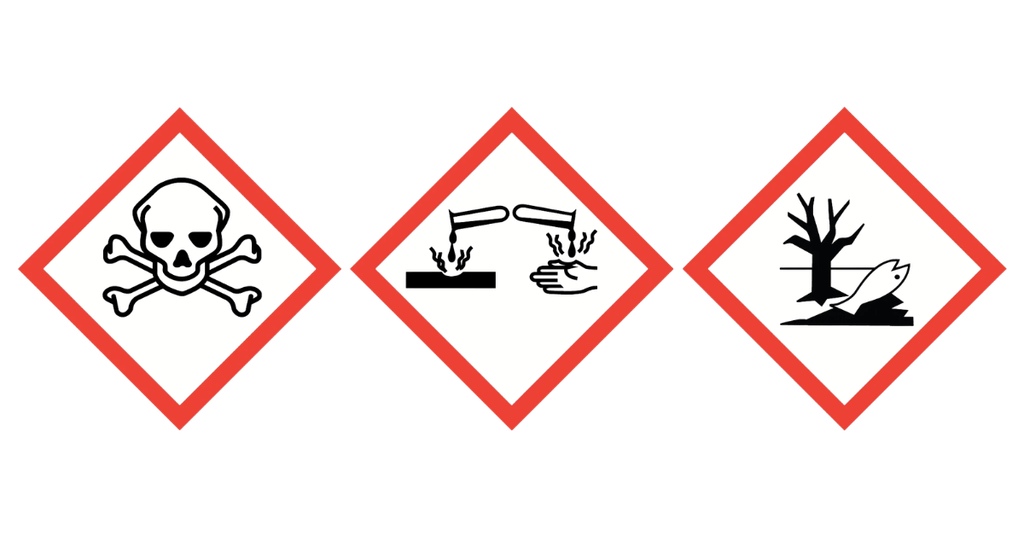
- Watch Out for Hazard Pictograms: Always read the labels. Strictly avoid products displaying symbols for “Toxic” (skull and crossbones), “Corrosive” (liquid spilling on hands/metal), and “Harmful to the Environment” (dead tree and fish).
How to Choose Safer Alternatives
Navigating the cleaning aisle can be tricky, especially with so many brands using “greenwashing” tactics to appear eco-friendly. Instead of trusting unverified marketing claims, look for reliable, independent certifications.
Products displaying the EU Ecolabel (the EU flower) are rigorously tested by third parties. These label guarantee that the product has a significantly lower environmental impact and contains fewer (or no) hazardous chemicals throughout its entire life cycle.
Practical EDC-Free Cleaning Habits
You can drastically reduce your family’s chemical exposure by slightly adjusting your cleaning routines:
1. Less is More (Simplify Your Routine): You do not need a specific, heavily chemical product for every single task (e.g., a separate oven, grill, window, and silver cleaner). In fact, half a dozen simple products are more than enough to clean an entire household effectively.
2. Never Mix Products: Never mix different detergents together. Mixing bleach (chlorine) with ammonia or acidic products like vinegar can create a highly toxic, even deadly, chlorine gas.
3. Ventilate Daily: Fresh air is better than any artificial spray. Make it a habit to open your windows wide during and after cleaning to let volatile chemicals escape and improve your indoor air quality.
4. Try DIY Cleaning Solutions: One of the safest, cheapest, and most effective ways to avoid EDCs is to make your own cleaning products. With a few basic household ingredients, you can tackle almost any mess:
- A mixture of white vinegar, water and a essential oil is a fantastic, non-toxic alternative for general cleaning.
- A simple microfibre cloth with just warm water can remove dirt, grease, and dust without the need for any chemical agents at all.
- For an easy, EDC-free multi-purpose cleaner, you can simply mix a few teaspoons of grated plain soap (like Marseille soap) and baking soda into warm water.
By simplifying your cleaning cupboard, relying on trusted Ecolabels, and adopting natural alternatives, you can ensure your home remains a safe, welcoming, and truly clean haven for everyone!
Note: This page was originally written in English. If you are reading it in another language, you are viewing an automatically translated version. The translation has not been reviewed by a human and may contain inaccuracies.
References:
https://quimicos.zero.ong/wp-content/uploads/2025/06/EVITO-1.pdf
https://www.edc-free-europe.org/your-daily-life
https://www.wecf.org/de/wp-content/uploads/2018/10/Guidebook_Renovation_2024.pdf