
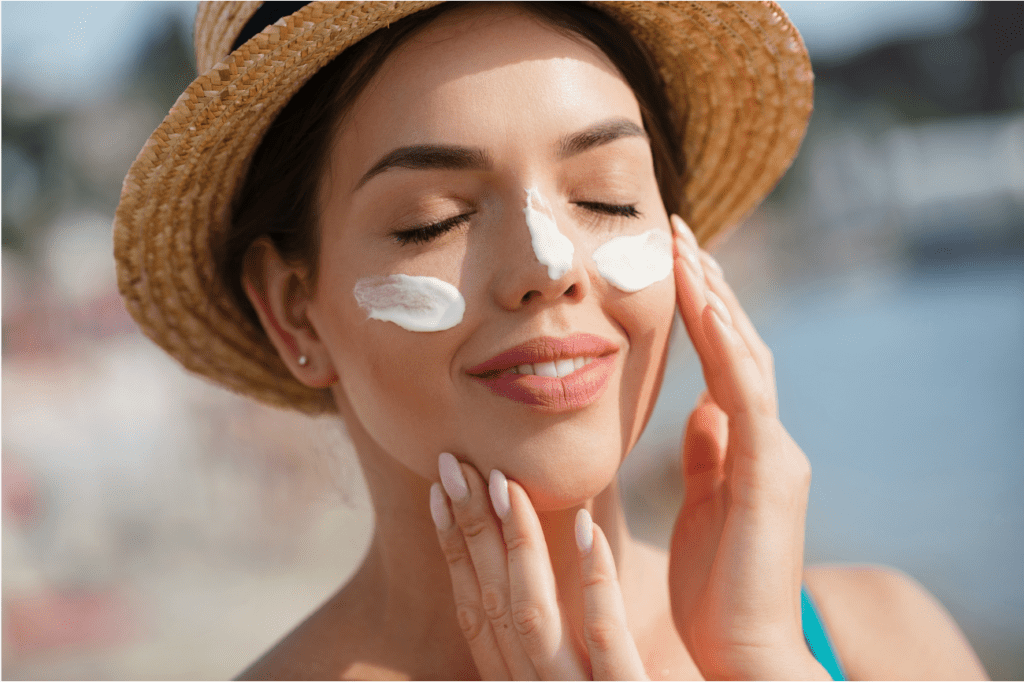
Protecting our skin from the sun’s harmful UV rays is an essential daily habit to prevent skin damage and cancer. However, the way we protect ourselves matters. Some conventional sunscreens contain chemical filters that may unknowingly expose us to Endocrine Disrupting Chemicals (EDCs).
While we cannot control every source of chemical exposure in our lives, choosing the right sunscreen is a simple, effective way to reduce our daily contact with EDCs. Here is everything you need to know about navigating sun protection safely, especially under European Union regulations, and how to make the best choices for you, your children, and during pregnancy.
The Problem with Chemical Sunscreens
Sunscreens generally fall into two categories: chemical and mineral. Chemical sunscreens use active ingredients that absorb UV radiation and transform it into heat; mineral sunscreens reflect UV rays away from your body. Unfortunately, many of these common chemical filters can penetrate the skin, enter the bloodstream, and disrupt our hormones.
Fortunately, most of chemical UV filters are restricted in cosmetics in Europe, or their permitted concentrations are limited, due to concerns about endocrine disruption effects and their persistence in both the human body and the environment. However, when checking the ingredient list, you can still be aware of these:
- Oxybenzone (Benzophenone-3): One of the most common chemical filters, widely found in blood and urine samples globally, and strongly suspected of being an endocrine disruptor and potential carcinogen. Its concentration is limited in EU.
- Homosalate & Octinoxate: Frequently used UV filters linked to hormone disruption and environmental damage, particularly to coral reefs. Both have concentration limits in EU.
- Parabens: Used as preservatives, these chemicals can be absorbed through the skin and have known oestrogenic (hormone-mimicking) effects. Some parabens are totally banished from cosmetic products in EU, and some are limited, with specific limitation in products for babies.
The EU Advantage
The EU actively regulates and bans many harmful substances in cosmetics. If you buy your sunscreen in Europe, you will benefit from these chemical safety rules that restricts and limits the use of several chemicals.
However, despite these strong regulations, consumers must remain informed about the safer options and best-use recommendations.
How to Choose a Safer Sunscreen
To protect your health without compromising on UV defence, keep these tips in mind when shopping:
- Opt for Mineral Filters: Choose physical sunscreens made with natural minerals. Instead of absorbing into the skin, these minerals sit on the surface and safely reflect UV rays away from your body.
- Look for “Non-Nano”: Ensure the mineral filters are “non-nano”. Nanoparticles are so small that their long-term health effects are not yet fully understood. Under EU law, if a product contains nanoparticles, it must be explicitly declared on the label.
- Choose Creams Over Sprays: Spray sunscreens might be convenient, but they pose a significant inhalation risk, allowing harmful chemicals to enter your lungs directly. Creams and lotions are a much safer alternative.
- Go Fragrance-Free: Skip products with added “parfum” or “fragrance” to minimise your exposure to hidden chemicals and allergens.
- Check the Expiry Date: Sunscreen loses its efficacy over time. Always check the expiration date and the “Period After Opening” (PAO) symbol, which usually looks like a small open jar with “6M” or “12M” written inside, indicating how many months the product remains safe to use after opening.
- Use Tech to Help: You do not need to memorise complex chemical names. Download free apps like INCI Beauty or use the INCI Decoder website to scan barcodes and translate ingredient lists into plain language.
Best Practices for Sun Protection
Sunscreen is only one part of a healthy sun-care routine. To truly protect your skin safely:
- Avoid Peak Hours: Stay out of the sun during the hottest parts of the day, typically between 12 PM and 4 PM.
- Cover Up: Your first line of defence should be clothing. Wear wide-brimmed hats, sunglasses, and lightweight, tightly woven fabrics.
- Reapply Constantly: No matter how high the SPF rating is, if your skin is exposed, you must reapply sunscreen every two hours.
- Wash Your Hands: If you apply sunscreen with your hands, remember to wash them thoroughly before eating to avoid accidentally ingesting any chemicals present in the sunscreen.
Special Care for Pregnant Women and Young Children
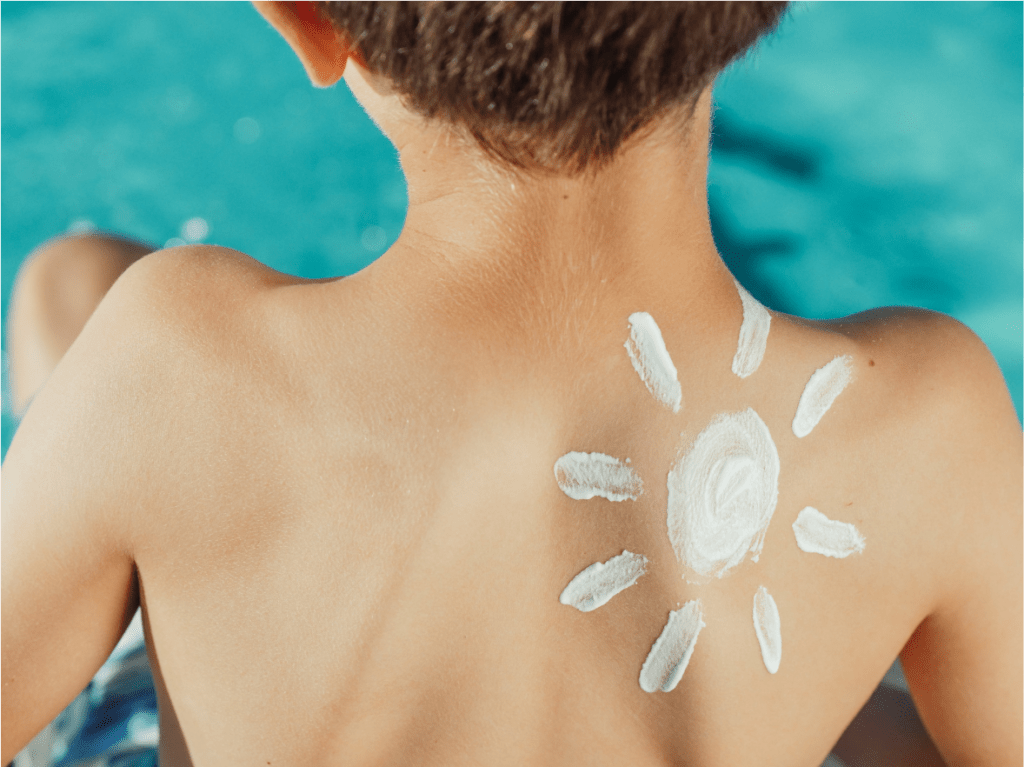
Babies, young children, and pregnant women are particularly vulnerable to the effects of EDCs exposure, as these chemicals can interfere with crucial stages of physical and neurological development.
- For Babies: Infants under 6 months old shouldn’t be exposed to direct sunlight. Their delicate skin is highly permeable, making chemical sunscreens especially risky. Keep them shaded and covered instead.
- For Children & Pregnant Women: Strictly avoid spray sunscreens to prevent inhalation. Always opt for simple, mineral-based, fragrance-free creams with short ingredient lists. Because children are so sensitive, prioritising high-quality physical barriers (like UV-protective clothing and hats) over heavy sunscreen use is recommended.
Protecting yourself from the sun shouldn’t mean exposing your body to hidden toxins. By combining smart sun habits with informed product choices, you can enjoy the summer safely and consciously!
Note: This page was originally written in English. If you are reading it in another language, you are viewing an automatically translated version. The translation has not been reviewed by a human and may contain inaccuracies.
References:
https://single-market-economy.ec.europa.eu/sectors/cosmetics_en
https://single-market-economy.ec.europa.eu/sectors/cosmetics/cosmetic-products-specific-topics/endocrine-disruptors_en
https://single-marhttps://ec.europa.eu/growth/tools-databases/cosing
https://www.safecosmetics.org/chemicals/
https://www.safecosmetics.org/products/sunscreens
https://quimicos.zero.ong/wp-content/uploads/2025/06/Dicas-ChemBee-retrato-3vaga-1.pdf