
Who is more vulnerable to EDCs?
Exposure is common, vulnerability is not.
Endocrine disrupting chemicals (EDCs) are part of everyday life, and most people are exposed to them in some way. But exposure alone does not tell the full story. What really matters is when exposure happens and who is exposed.
Some stages of life are more sensitive than others. During these times, the body relies heavily on hormones to guide growth, development, and balance. When hormonal signals are disrupted during these sensitive exposure windows, the effects can be higher and sometimes longer lasting.
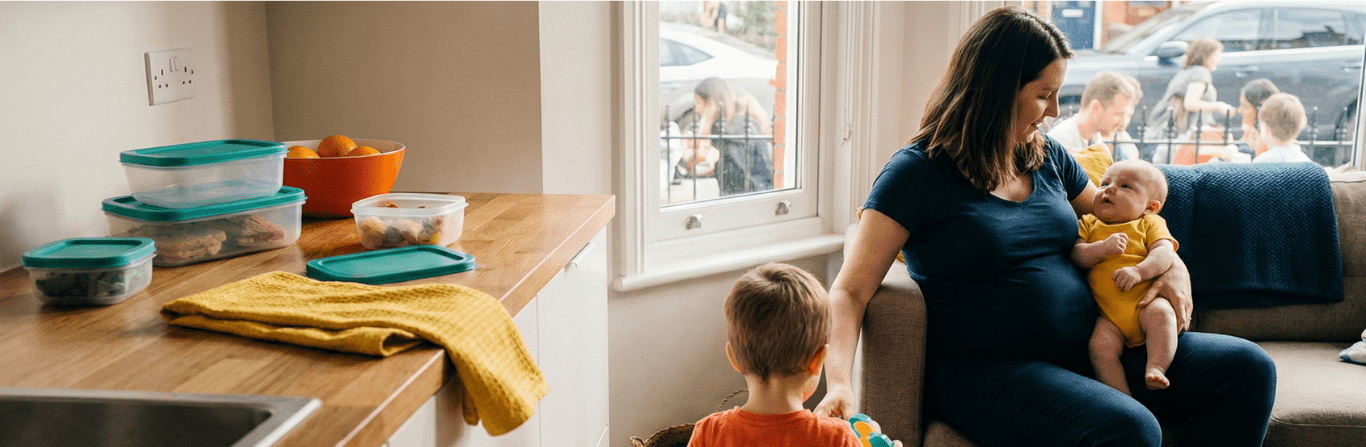
What does “vulnerability” mean?
Vulnerability does not mean weakness. It means that the body is going through a phase where it is developing, changing rapidly or working hard to stay in balance.
A helpful way to think about it is a building under construction. When foundations are being laid, even small disturbances can matter more than later on. The same idea applies to the human body at certain stages of life.
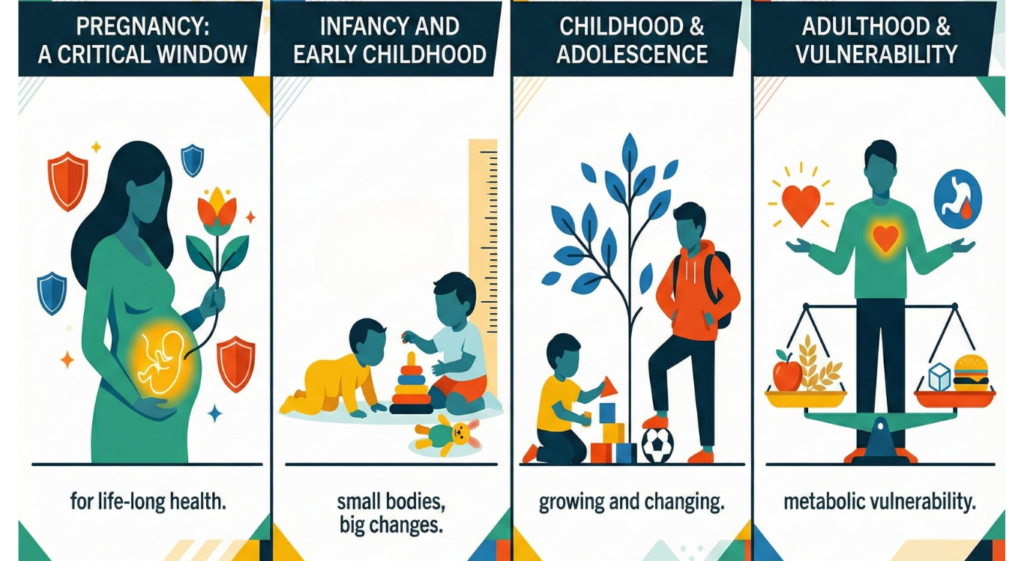
Pregnancy: a critical exposure window for life-long health
Pregnancy is one of the most sensitive periods of all.
During pregnancy, hormones carefully guide the development of organs and systems in the unborn baby. These signals help shape how the body will function not just at birth, but later in life as well. Because of this, even small disruptions during this time may have long-term consequences.
Some endocrine disrupting chemicals can cross from the mother to the developing baby through the placenta. This means that exposure during pregnancy is not only about the mother’s health, but also about the health of the next generation.
This does not mean that everyday exposure automatically causes harm. But it does explain why scientists pay special attention to this life stage, and why reducing unnecessary exposure during pregnancy is considered particularly important.
Infancy and early childhood: small bodies, big changes
Babies and young children are not just “small adults”. Their bodies are growing fast, and many systems are still developing.
During early life organs are maturing, hormonal systems are learning how to regulate the body and metabolism is being programmed for the future. At the same time, children may be exposed differently than adults. They:
- eat, drink, and breathe more in proportion to their body size;
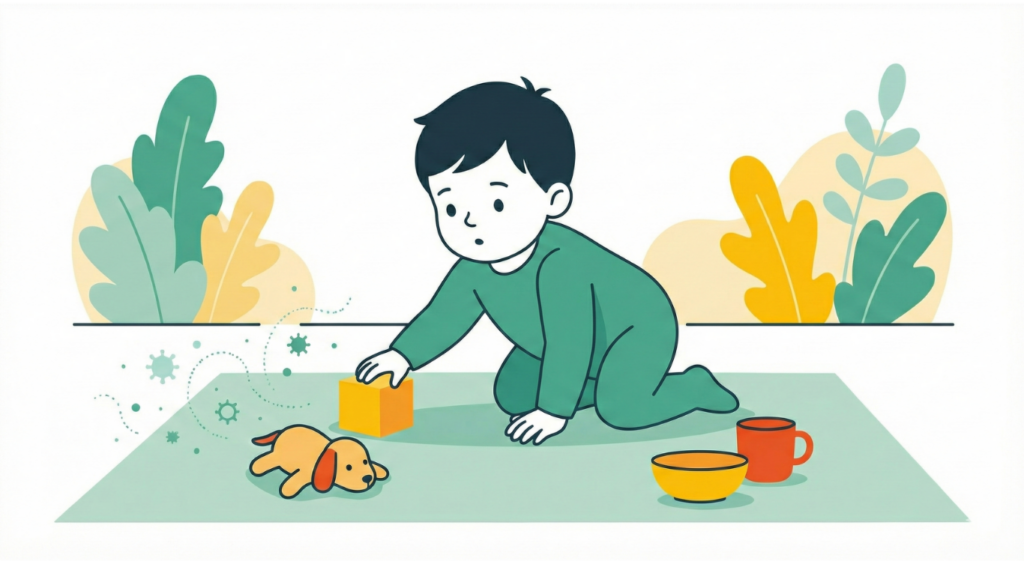
- spend more time close to floors and dust;
- explore their environment through touch.
This means that the same level of exposure can have a bigger impact on a developing body than on an adult one.
Childhood and adolescence: growing and changing
As children grow, their bodies continue to change. Puberty is another period of intense hormonal activity, when the body reorganises itself and prepares for adulthood.
Hormones play a central role during adolescence, influencing growth, metabolism, and reproductive development. Because hormonal signals are especially active during this time, disruptions may matter more than they would later in life.
Adulthood and metabolic vulnerability
Hormones remain essential throughout adulthood. They help regulate metabolism, how the body uses energy, controls blood sugar, and manages fat storage.
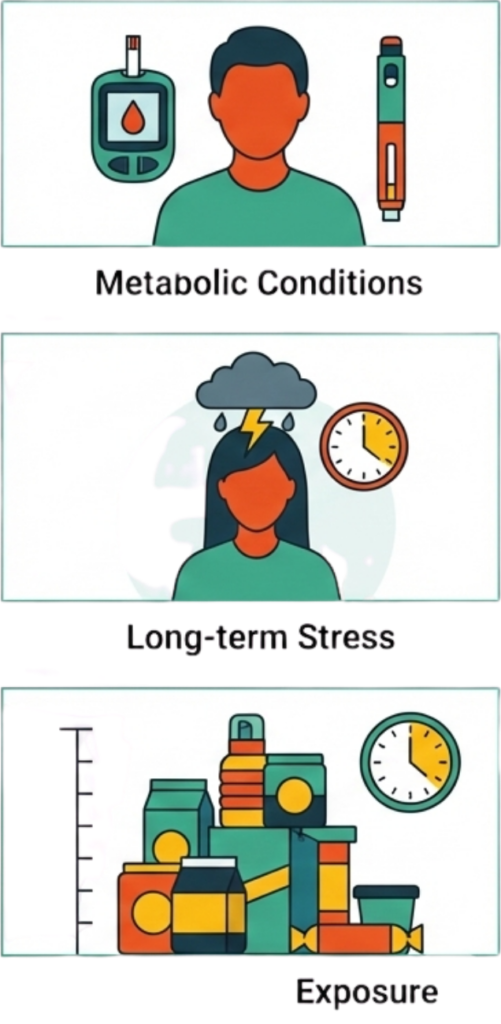
Some adults may be more vulnerable to the effects of endocrine disruptors because:
- they already live with metabolic conditions, such as insulin resistance;
- their bodies are under long-term stress;
- exposure has accumulated over many years.
This is why research, including the work of the NEMESIS project, focuses on how long-term exposure may contribute to conditions like obesity and type 2 diabetes, alongside lifestyle and genetic factors.
Looking beyond one generation
Vulnerability does not stop with one person. Because early-life exposure can influence health later on, today’s exposures may also affect future generations.
This is not about blame or fear. It is about understanding why protecting the most sensitive stages of life can have benefits that extend far beyond the present moment.
What can you do?
You cannot eliminate exposure completely, and you are not expected to. But simple steps can help protect those who are more vulnerable:
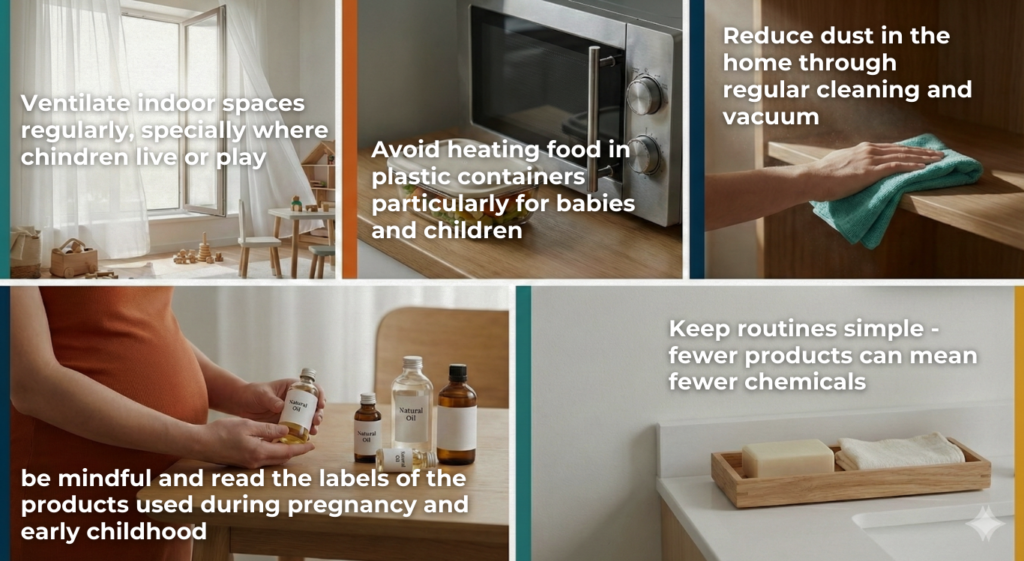
Protecting the most vulnerable does not require perfection.
It starts with awareness and small, thoughtful choices.
Looking ahead
Knowing who is more vulnerable helps us understand why protection matters.
The next step is practical and empowering:
How can you protect yourself and those around you in everyday life?
Let’s explore that next.