
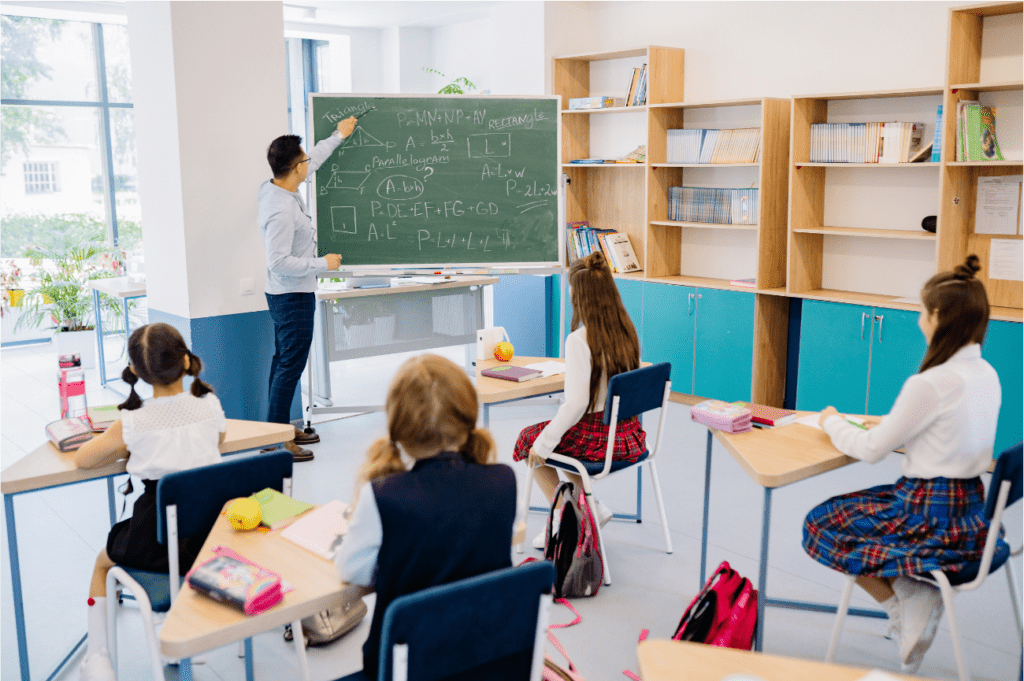
The back-to-school season is a busy time for parents, filled with purchasing new stationery, lunchboxes, backpacks, and clothes. However, amongst the excitement of a new term, there is a crucial factor that is often overlooked: chemical safety.
Children’s developing bodies make them particularly vulnerable to Endocrine Disrupting Chemicals (EDCs) and other hazardous substances that can hide in everyday school items. These chemicals can interfere with their hormone systems and have been linked to long-term health issues. Fortunately, protecting your family can be made by practical and simple options. It is all about balance, making informed choices, and adopting simple habits without pressure or perfectionism.
Here is a practical guide to reducing your children’s exposure to EDCs and other harmful chemicals as they head back to school, with tailored advice for different age groups.
General Tips for a Safer School Year
Before diving into age-specific advice, here are a few golden rules that apply to all children:
- Reuse and Prioritise Quality: The simplest way to reduce chemical exposure is to reuse items from last year. New products often release higher amounts of volatile chemicals. When you must buy, invest in high-quality, durable items rather than cheap plastics.
- Swap Plastic for Stainless Steel: Plastic lunchboxes and reusable bottles can release chemicals into your child’s food and water, especially if the contents are warm. Opt for stainless steel or glass containers instead.
- The « Smell and Touch » Test: Trust your senses. If a new plastic item has a strong, pungent chemical smell or feels sticky to the touch, it is likely off-gassing hazardous substances and should be avoided.
- Wash Before Wearing: Always wash new clothes before your child wears them to remove chemical residues left over from the manufacturing process.
- Look for EU Labelling: The European Union actively regulates and bans many harmful substances in consumer products and has some of the strictest chemical safety rules globally. If you buy these products in Europe, you will benefit from higher restriction on the use of EDCs.
- Use the Scan4Chem App: Under European law (REACH), you have the right to know if a product contains substances of high concern. You can use the free Scan4Chem app to scan barcodes and directly ask manufacturers about the chemicals in backpacks, pencil cases, and other gear.
Tailored Care for Different Ages
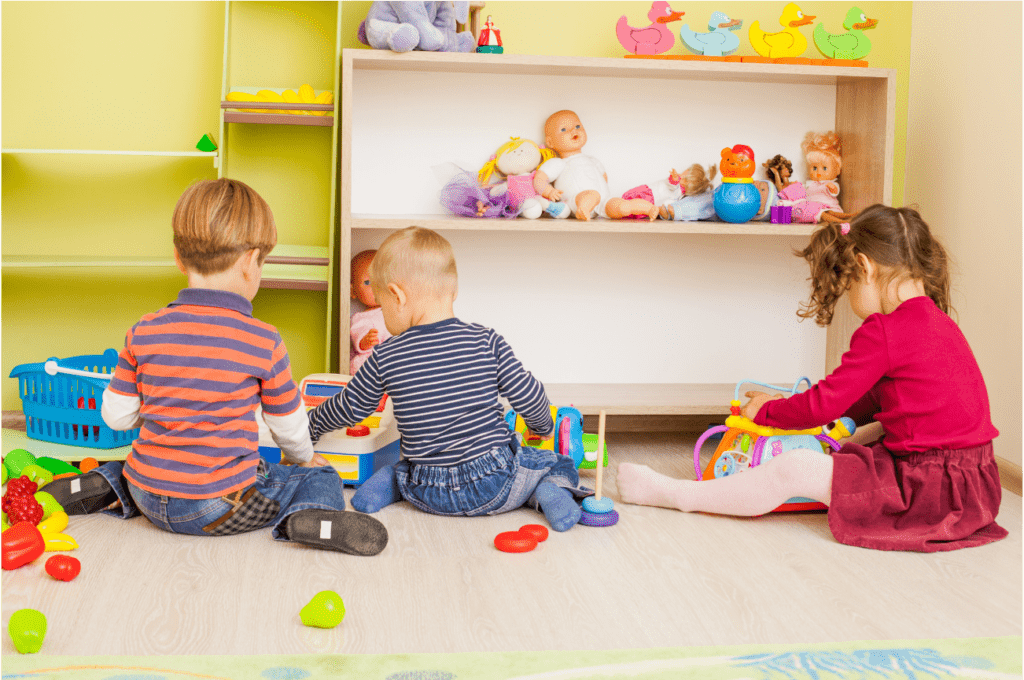
Nursery and Early Years (Under 5s)
Young children explore the world with their mouths and spend a lot of time on the floor, making them highly susceptible to chemical exposure through dust and direct contact.
- Beware of Soft PVC: Soft plastics, such as those found in squishy toys, playmats, and rain gear (like wellies and waterproof trousers), are frequently made from soft PVC. To make PVC flexible, manufacturers often add phthalates, which are known EDCs. Phthalates are not firmly bound to the plastic and continuously evaporate into the air and indoor dust. Look for « PVC-free » labels or the recycling code ‘3’ (which indicates PVC) to avoid them.
- Safer Rain Gear: When buying raincoats and wellies, try to find products with the Oeko-Tex 100 certification or the EU Ecolabel. To minimise skin contact with any potential residues, ensure rain gear is never worn on bare skin, and have your child take it off as soon as they are indoors.
- Gentle Care Products: Keep their personal care routine as simple as possible. Avoid products with synthetic fragrances. Fragrances can trigger contact allergies and hide complex mixtures of chemicals.
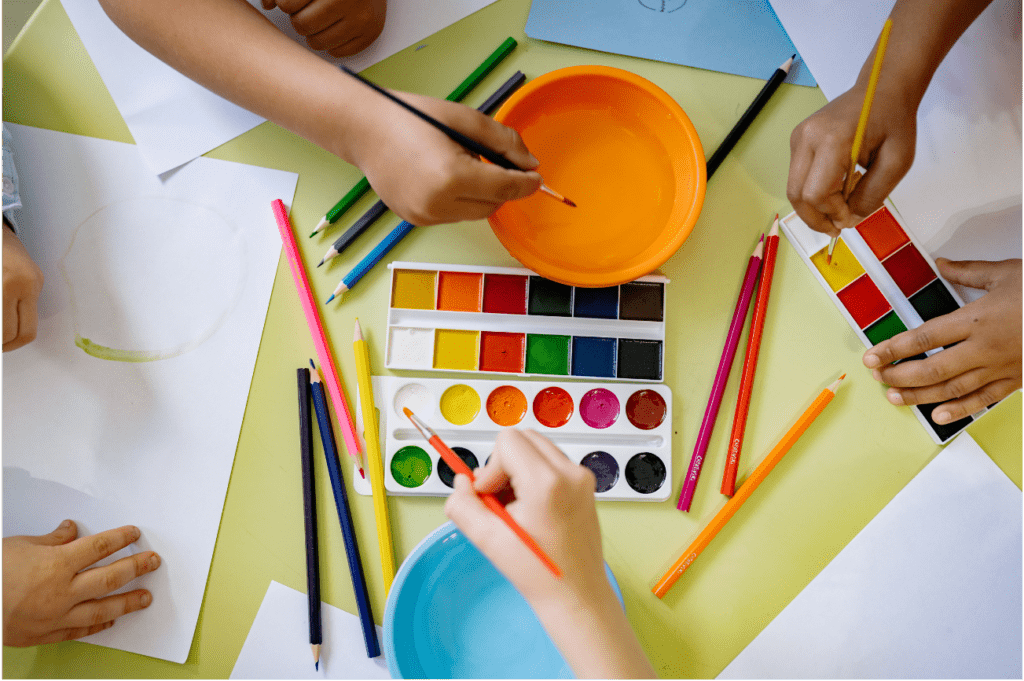
Primary School (Ages 5 to 11)
As children grow, they start using more varied school supplies. This is the perfect time to introduce them to safer materials and teach them how to care for their belongings so they last longer.
- Toxin-Free Arts and Crafts: Arts and crafts are a staple of primary education, but materials can contain hidden dangers. For example, some polymer clays that harden in the oven contain PVC and can release toxic fumes when baked. Stick to traditional, non-hardening modelling clay. Additionally, choose water-based paints, solvent-free glues, and check that felt-tip pens do not contain allergenic substances.
- Mind the Wardrobe: Avoid buying clothing with plasticised prints and motifs, as these are frequently laden with phthalates and other dangerous chemicals. Opt for simple, natural materials instead. For sportswear, strictly avoid fabrics treated with PFAS (often labelled as stain-resistant or water-repellent). PFAS are « forever chemicals » that act as hormone disruptors and do not break down in the environment.
- Eco-Friendly Stationery: Whenever possible, avoid plastic folders and notebooks. Choose paper or washable fabric covers, and look for sustainable certifications like FSC (Forest Stewardship Council), and PEFC (Programme for the Endorsement of Forest Certification), or the EU Ecolabel.
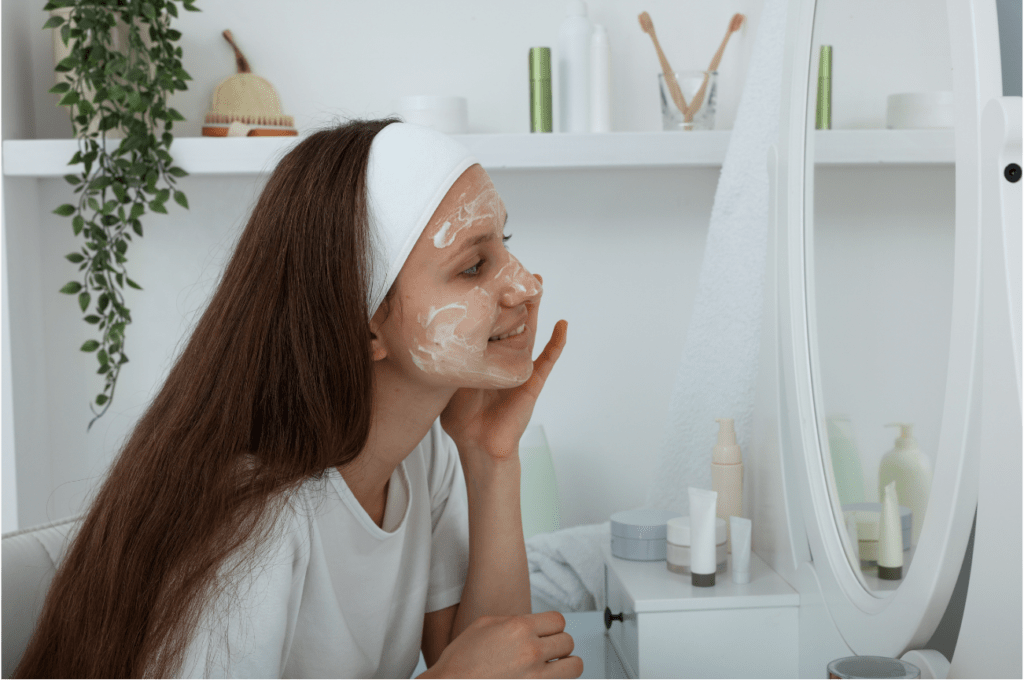
Secondary School and Teens (Ages 11+)
Teenagers have more control over what they buy, particularly when it comes to cosmetics and personal care products.
- Simplifying Cosmetics: Teens often try multiple skincare and beauty products daily, which can significantly increase their overall EDC exposure. Encourage them to simplify their routines and use products with shorter ingredient lists.
- Navigating Fragrances: The word « fragrance » or « parfum » on a label can currently hide undisclosed allergens and potential EDCs. Fortunately, EU regulations are changing to protect consumers: by July 2026, cosmetic brands will be legally required to explicitly list 82 specific fragrance allergens on their labels, rather than just 26. Still, choosing fragrance-free products is the safest bet.
- Empower Them with Tech: Teach your teens to become conscious consumers. They can use free tools like the INCI Beauty app or the INCI Decoder website to scan their personal care products and instantly understand the safety of the ingredients. Remind them to be cautious when ordering cheap, poorly labelled cosmetics from outside Europe, as these may not comply with strict EU safety standards.
By adopting these straightforward habits, you can help ensure that your children return to school in an environment that supports both their learning and their long-term health.
Note: This page was originally written in English. If you are reading it in another language, you are viewing an automatically translated version. The translation has not been reviewed by a human and may contain inaccuracies.
References:
https://www.edc-free-europe.org/pregnancy-and-children
https://www.bund.net/fileadmin/user_upload_bund/publikationen/chemie/pvc_ratgeber_broschuere.pdf
https://www.oeko-tex.com/en
https://www.oeko-tex.com/en/our-standards/oeko-tex-standard-100
https://quimicos.zero.ong/wp-content/uploads/2024/08/back-to-school-ChemBee-2.pdf
https://environment.ec.europa.eu/topics/circular-economy-topics/eu-ecolabel/product-groups-and-criteria/clothing-and-textiles_en